In today’s hyper-connected digital landscape, choosing the right b2b advertising platform can be the difference between explosive growth and stagnant outreach. Let’s explore the most powerful tools shaping B2B marketing in 2024.
What Is a B2B Advertising Platform?

A b2b advertising platform is a digital ecosystem designed to help businesses promote their products or services to other businesses. Unlike B2C advertising, which targets individual consumers, B2B advertising focuses on decision-makers within organizations—such as procurement managers, C-suite executives, and department heads. These platforms offer targeted ad placements, data analytics, lead generation tools, and campaign automation to streamline outreach and boost ROI.



Core Functions of a B2B Advertising Platform
At its core, a b2b advertising platform enables companies to deliver highly targeted messages across digital channels. These platforms often integrate with CRM systems, marketing automation tools, and data analytics suites to ensure precision in audience targeting and performance tracking.
- Targeted ad delivery based on firmographics (company size, industry, location)
- Lead generation and nurturing workflows
- Performance analytics and conversion tracking
How B2B Differs from B2C Advertising
B2B advertising involves longer sales cycles, multiple stakeholders, and higher transaction values. As such, platforms must support complex decision-making processes. For example, while a B2C campaign might focus on emotional triggers and impulse buys, a b2b advertising platform emphasizes value propositions, case studies, and ROI-driven content.
“B2B buyers are 57% through the decision-making process before they even engage with a sales rep.” — SiriusDecisions
This statistic underscores the importance of digital visibility and educational content in B2B marketing, which modern platforms are uniquely equipped to deliver.
Top 7 B2B Advertising Platforms in 2024
The market for b2b advertising platform solutions has exploded in recent years, with new entrants and evolving features. Below, we break down the seven most impactful platforms dominating the space in 2024.
1. LinkedIn Ads
LinkedIn remains the undisputed leader in professional networking and B2B advertising. With over 930 million users globally, including 63 million decision-makers, LinkedIn Ads offers unparalleled access to business professionals.
- Precise targeting by job title, company, industry, and seniority
- Sponsored Content, Message Ads, and Dynamic Ads for varied engagement
- Seamless integration with Salesforce and HubSpot
LinkedIn’s Matched Audiences feature allows retargeting of website visitors or email lists, making it a powerful tool for account-based marketing (ABM). For more details, visit LinkedIn for Business.
2. Google Ads (Search & Display Network)
While often associated with B2C, Google Ads is a critical component of any b2b advertising platform strategy. Its strength lies in intent-based targeting—capturing users actively searching for solutions.
- High-intent keyword targeting (e.g., “best CRM for small business”)
- Remarketing lists for search ads (RLSA) to re-engage past visitors
- Integration with Google Analytics 4 for deep performance insights
Google’s Display Network also enables visual ad placements across millions of websites, ideal for brand awareness campaigns. Learn more at Google Ads.
3. Demandbase
Demandbase is a leader in AI-driven account-based advertising. It’s not just an ad platform—it’s a full-fledged ABM suite that combines advertising, personalization, and analytics.
- Real-time account identification and targeting
- Programmatic ad buying across premium B2B sites
- AI-powered content recommendations
Demandbase excels in helping enterprises run hyper-targeted campaigns focused on specific accounts. Its platform integrates with Salesforce, Marketo, and Adobe Experience Cloud. Explore their capabilities at Demandbase.
4. Terminus
Terminus is another heavyweight in the ABM space, offering a scalable b2b advertising platform built for engagement at scale. It specializes in multi-channel outreach, combining display, email, and social ads.
- Account-based display advertising
- Engagement scoring to prioritize high-value accounts
- Seamless CRM and marketing automation sync
Terminus is particularly effective for mid-market companies looking to expand their ABM efforts without overhauling their tech stack. Visit Terminus for case studies and demos.
5. Amazon Advertising (for B2B)
Yes, Amazon isn’t just for consumers. Amazon Business has over 12 million active business customers, and its advertising platform allows B2B brands to reach them directly.
- Sponsored Products and Brands for B2B listings
- Targeting by business type, purchasing history, and company size
- Access to Amazon’s massive first-party data
For industrial suppliers, office product vendors, and tech hardware companies, Amazon Advertising offers a unique opportunity to tap into an already commercial-ready audience. Learn more at Amazon Advertising.
6. Microsoft Advertising (via LinkedIn & Bing)
Microsoft Advertising leverages both Bing’s search engine and LinkedIn’s professional network to deliver B2B-focused campaigns. While smaller than Google, Bing captures a significant share of enterprise users.
- Lower CPCs compared to Google Ads
- Access to LinkedIn profile data via Microsoft Audience Network
- Integration with Dynamics 365 and Microsoft 365
Microsoft’s ecosystem is especially valuable for SaaS companies and IT service providers targeting enterprise clients. Explore options at Microsoft Advertising.
7.6sense
6sense is revolutionizing B2B advertising with its Revenue AI platform. It uses predictive analytics to identify buyer intent signals across the web, enabling marketers to engage prospects at the right moment.
- Buyer intent detection from over 10,000 sources
- Account prioritization based on engagement and readiness to buy
- Orchestration of ads, emails, and sales outreach
6sense turns anonymous web traffic into actionable leads, making it one of the most advanced b2b advertising platform tools available. Discover more at 6sense.
Key Features to Look for in a B2B Advertising Platform
Not all platforms are created equal. When evaluating a b2b advertising platform, certain features can make or break your campaign’s success. Here are the most critical ones to consider.
Account-Based Targeting Capabilities
The ability to target specific companies (accounts) rather than just individuals is essential in modern B2B marketing. Look for platforms that allow you to upload account lists, identify technographics (e.g., companies using Salesforce), and track engagement at the account level.
- Account identification and enrichment
- Multi-touch engagement tracking
- Custom audience segmentation
Platforms like Demandbase and Terminus lead in this area, offering robust ABM functionality out of the box.
Integration with CRM and Marketing Automation
A b2b advertising platform should seamlessly connect with your existing tech stack. Integration with tools like Salesforce, HubSpot, Marketo, or Pardot ensures that ad-generated leads flow directly into your sales pipeline.
- Real-time lead syncing
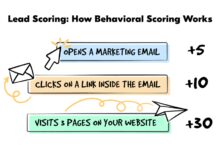
- Automated lead scoring based on ad engagement
- Unified reporting across advertising and sales data
Without integration, you risk data silos and missed follow-up opportunities.
Advanced Analytics and Attribution
Understanding which ads drive conversions is crucial. A strong b2b advertising platform provides multi-touch attribution, showing how each interaction contributes to a sale.
- Attribution modeling (first-touch, last-touch, linear)
- ROI calculation by campaign, channel, and account
- Custom dashboards and reporting
6sense and Google Ads offer particularly strong analytics, helping marketers optimize spend and prove marketing’s impact on revenue.
How to Choose the Right B2B Advertising Platform for Your Business
Selecting the right b2b advertising platform isn’t a one-size-fits-all decision. It depends on your industry, target audience, budget, and marketing goals. Here’s a step-by-step guide to help you make the best choice.
Define Your Target Audience and Goals
Start by clarifying who you’re trying to reach. Are you targeting small businesses, enterprise clients, or specific industries? What are your primary objectives—lead generation, brand awareness, or account engagement?
- Create buyer personas and ideal customer profiles (ICPs)
- Map out your buyer’s journey
- Set clear KPIs (e.g., cost per lead, conversion rate)
This foundational work will guide your platform selection.
Evaluate Platform Reach and Audience Quality
Not all platforms offer the same audience depth. LinkedIn, for example, excels in professional targeting, while Google Ads captures high-intent searchers. Amazon reaches businesses already in buying mode.
- Assess audience size and relevance
- Check for access to decision-makers
- Review case studies from similar companies
Reach matters, but so does relevance. A smaller, high-quality audience often outperforms a broad, generic one.
Consider Budget and Scalability
B2B advertising can be expensive, especially on premium platforms like LinkedIn. Evaluate not just upfront costs but also scalability and ROI potential.
- Compare CPM (cost per thousand impressions) and CPC (cost per click)
- Look for flexible pricing models (pay-per-click, subscription, etc.)
- Assess ease of scaling campaigns as your business grows
Some platforms, like Terminus and Demandbase, offer tiered pricing that scales with your needs.
The Role of AI and Data in Modern B2B Advertising Platforms
Artificial intelligence and big data are transforming how b2b advertising platform operate. From predictive targeting to automated bidding, AI is making B2B advertising smarter and more efficient.
Predictive Lead Scoring
AI-powered platforms analyze thousands of data points to predict which leads are most likely to convert. This allows marketers to prioritize high-intent accounts and allocate resources more effectively.
- Behavioral data analysis (website visits, content downloads)
- Firmographic and technographic matching
- Real-time scoring updates
6sense and Demandbase use machine learning models to deliver accurate lead scores that align with sales readiness.
Automated Campaign Optimization
Modern b2b advertising platform leverage AI to optimize ad performance in real time. This includes adjusting bids, refining audience segments, and testing creatives.
- Dynamic creative optimization (DCO)
- Automated A/B testing
- Bid management based on conversion likelihood
Google Ads and LinkedIn Ads both offer automated campaign features that reduce manual workload while improving results.
Intent Data Integration
Intent data reveals when companies are actively researching solutions—often before they visit your website. Platforms that integrate third-party intent data (e.g., Bombora, G2) can alert you to these opportunities.
- Monitoring content consumption across the web
- Identifying spikes in category interest
- Triggering timely outreach campaigns
When combined with a b2b advertising platform, intent data enables proactive engagement rather than reactive marketing.
Common Challenges in Using B2B Advertising Platforms
Despite their power, b2b advertising platform come with challenges. Understanding these pitfalls can help you avoid costly mistakes.
Ad Fatigue and Banner Blindness
Even in B2B, users are exposed to countless ads daily. Poorly designed or repetitive ads can lead to ad fatigue, reducing click-through rates and engagement.
- Rotate creatives regularly
- Use personalized messaging
- Leverage video and interactive content
Platforms like LinkedIn and Terminus offer dynamic ad formats that reduce fatigue through personalization.
Data Privacy and Compliance
With regulations like GDPR and CCPA, data usage in advertising must be transparent and compliant. Ensure your chosen b2b advertising platform adheres to privacy standards.
- Verify consent management practices
- Review data collection and storage policies
- Ensure opt-out mechanisms are in place
Non-compliance can result in fines and reputational damage.
Measuring True ROI
Attributing revenue to specific ad campaigns is complex in B2B due to long sales cycles. Many marketers struggle to connect ad spend with closed deals.
- Implement multi-touch attribution
- Align marketing and sales teams on lead definitions
- Use UTM parameters and CRM tracking
Platforms with built-in attribution tools (e.g., 6sense, Demandbase) simplify this process.
Future Trends Shaping B2B Advertising Platforms
The b2b advertising platform landscape is evolving rapidly. Staying ahead of trends ensures your marketing remains competitive and effective.
Rise of Zero-Party Data
As third-party cookies decline, marketers are turning to zero-party data—information willingly shared by users (e.g., preferences, intent signals). Platforms that facilitate direct data collection will gain an edge.
- Interactive quizzes and assessments
- Preference centers and gated content
- Transparent data exchange (value in return for data)
Expect more b2b advertising platform to incorporate zero-party data strategies in 2024 and beyond.
Increased Use of Video and Interactive Ads
Static banners are losing effectiveness. Video ads, especially short-form and personalized videos, are proving more engaging in B2B contexts.
- LinkedIn Video Ads with lead gen forms
- Interactive product demos
- Webinar promotions via paid ads
Platforms like YouTube (via Google Ads) and LinkedIn are investing heavily in video ad capabilities.
Convergence of Advertising and Sales Enablement
The line between marketing and sales is blurring. Future b2b advertising platform will not only generate leads but also equip sales teams with real-time insights and content.
- AI-generated talking points for sales reps
- Real-time alerts when target accounts engage with ads
- Integrated content libraries for personalized outreach
This convergence enhances alignment and accelerates deal velocity.
What is the best b2b advertising platform for small businesses?
For small businesses, LinkedIn Ads and Google Ads offer the best balance of reach, targeting, and affordability. LinkedIn excels in professional targeting, while Google captures high-intent search traffic. Both platforms provide scalable options and robust analytics.
How much does a b2b advertising platform typically cost?
Costs vary widely. LinkedIn Ads can range from $2 to $8 per click, while Google Ads averages $1 to $2 for B2B keywords. ABM platforms like Demandbase or Terminus often have monthly subscription fees starting at $10,000+, making them better suited for enterprise use.
Can I use multiple b2b advertising platform together?
Absolutely. In fact, a multi-platform strategy is often more effective. For example, use LinkedIn for brand awareness, Google Ads for intent capture, and an ABM platform like 6sense for account targeting. Integration ensures cohesive messaging and data sharing.
How do I measure the success of my B2B ad campaigns?
Track KPIs like cost per lead (CPL), conversion rate, click-through rate (CTR), and return on ad spend (ROAS). Use UTM parameters and CRM integration to attribute leads and deals to specific campaigns. Multi-touch attribution models provide the most accurate picture.
Do b2b advertising platform work for all industries?
Most platforms are versatile, but effectiveness varies by industry. Tech, SaaS, and professional services see strong results on LinkedIn and ABM platforms. Industrial and manufacturing sectors may benefit more from Google Ads and Amazon Business.
Choosing the right b2b advertising platform is no longer optional—it’s a strategic imperative. From LinkedIn and Google Ads to AI-driven powerhouses like 6sense and Demandbase, the tools available in 2024 offer unprecedented precision and scalability. By understanding your audience, leveraging data and AI, and staying ahead of trends, you can build campaigns that drive real revenue. The future of B2B marketing is intelligent, integrated, and intent-driven—and the right platform will get you there.
Further Reading: