In today’s hyper-competitive B2B landscape, a smart growth strategy isn’t optional—it’s essential. Enter the b2b growth platform: your ultimate engine for scaling sales, boosting customer retention, and driving predictable revenue. Let’s dive into how it works and why your business needs one now.
What Is a B2B Growth Platform and Why It Matters

A b2b growth platform is more than just software—it’s an integrated ecosystem designed to accelerate business expansion by aligning sales, marketing, and customer success. Unlike traditional tools that operate in silos, a true b2b growth platform unifies data, workflows, and insights across departments to fuel scalable, data-driven growth.





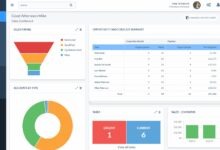
Defining the Modern B2B Growth Platform
The term “b2b growth platform” has evolved from simple CRM systems into comprehensive solutions that combine automation, analytics, AI, and customer journey orchestration. According to Gartner, modern platforms now serve as central nervous systems for revenue teams, enabling real-time decision-making and cross-functional alignment.
- Integrates marketing automation, CRM, sales enablement, and customer success tools
- Leverages AI and predictive analytics for lead scoring and forecasting
- Provides a single source of truth for customer data and engagement history
How It Differs From Traditional CRM and Marketing Tools
While CRMs like Salesforce or HubSpot are foundational, they often lack the end-to-end orchestration needed for true growth at scale. A b2b growth platform goes beyond contact management by embedding growth methodologies directly into the workflow.
“A CRM tells you what happened. A b2b growth platform tells you what to do next.” — Anonymous Growth Executive
- CRM focuses on record-keeping; a growth platform focuses on actionability
- Marketing automation sends emails; a growth platform optimizes the entire buyer journey
- Traditional tools are reactive; growth platforms are predictive and proactive
The Core Components of a High-Performance B2B Growth Platform
To deliver measurable results, a b2b growth platform must be built on robust, interconnected components. These aren’t just features—they’re strategic enablers that drive efficiency, insight, and revenue acceleration.
Unified Data Infrastructure
At the heart of every effective b2b growth platform is a centralized data layer. This infrastructure aggregates information from multiple sources—website interactions, email campaigns, CRM entries, social media, and even third-party intent data—to create a 360-degree view of each account.
- Eliminates data silos between departments
- Enables real-time personalization and segmentation
- Supports advanced analytics and AI-driven recommendations
Platforms like Segment and RudderStack specialize in building this foundational layer, ensuring clean, actionable data flows across the tech stack.
AI-Powered Lead Scoring and Intent Detection
One of the most transformative capabilities of a b2b growth platform is its ability to identify high-intent prospects before they raise their hands. By analyzing behavioral signals—such as content downloads, page visits, and engagement patterns—AI models can predict which accounts are most likely to convert.
- Reduces time spent on low-potential leads
- Improves sales-to-marketing handoff efficiency
- Increases win rates by prioritizing hot accounts
Companies like 6sense and Terminus have pioneered intent-based selling, helping organizations shift from spray-and-pray outreach to precision targeting.
Automated Customer Journey Orchestration
Gone are the days of linear, one-size-fits-all nurture campaigns. A modern b2b growth platform uses dynamic journey mapping to deliver personalized experiences based on user behavior, role, industry, and stage in the buying cycle.
- Triggers multi-channel touchpoints (email, ads, chat, calls) automatically
- Adapts messaging in real time based on engagement
- Supports ABM (Account-Based Marketing) strategies at scale
Tools like Marketo Engage and Pardot offer sophisticated journey builders that integrate seamlessly with CRM and sales enablement tools.
How a B2B Growth Platform Transforms Sales Efficiency
Sales teams are under constant pressure to do more with less. A b2b growth platform empowers reps with intelligence, automation, and guidance—freeing them from manual tasks and enabling them to focus on high-value conversations.
Reducing Manual Work Through Automation
Sales reps spend nearly 64% of their time on non-selling activities like data entry, follow-up scheduling, and reporting. A b2b growth platform automates these processes, reclaiming hours every week.
- Auto-logs calls and emails to CRM
- Schedules follow-ups based on engagement triggers
- Generates meeting summaries and next steps using AI
Solutions like Gong and Chorus record and analyze sales calls, providing real-time coaching and insights that improve performance.
Enhancing Sales Enablement With Real-Time Insights
A b2b growth platform doesn’t just automate—it educates. By surfacing relevant content, battle cards, and competitive intelligence at the point of sale, it ensures reps are always prepared.
- Recommends content based on prospect behavior and pain points
- Tracks content usage and effectiveness
- Integrates with LMS (Learning Management Systems) for continuous training
Platforms like Showpad and Seismic have become critical for enterprises looking to equip their sales teams with the right tools at the right time.
Accelerating Deal Velocity With Predictive Forecasting
Forecasting in B2B sales has long been an art more than a science. But with machine learning models embedded in a b2b growth platform, predictions are now more accurate than ever.
- Analyzes historical deal patterns and rep behavior
- Flags at-risk opportunities for intervention
- Provides confidence scores for each pipeline stage
According to Forrester, companies using predictive forecasting see up to 15% improvement in forecast accuracy, leading to better resource allocation and investor confidence.
Supercharging Marketing ROI With a B2B Growth Platform
Marketing teams are increasingly held accountable for revenue contribution. A b2b growth platform bridges the gap between brand awareness and closed deals by aligning campaigns with measurable business outcomes.
From Brand Awareness to Revenue Attribution
One of the biggest challenges in B2B marketing is proving ROI. A b2b growth platform solves this by connecting every touchpoint—from first click to final signature—into a coherent attribution model.
- Uses multi-touch attribution to assign credit across channels
- Tracks anonymous visitors through IP and cookie tracking
- Aligns KPIs with revenue goals, not just MQLs
Tools like Windsor.ai and Ruler Analytics help marketers close the loop between digital efforts and pipeline generation.
Scaling Personalization Without Sacrificing Efficiency
Personalization is no longer a nice-to-have—it’s expected. A b2b growth platform enables hyper-personalized experiences at scale by leveraging dynamic content, behavioral triggers, and audience segmentation.
- Delivers tailored landing pages based on firmographics
- Sends personalized video messages via email
- Adjusts ad creatives in real time based on engagement
For example, Vidyard integrates with CRMs to allow reps to send personalized videos that increase response rates by up to 300%, according to internal case studies.
Optimizing Campaign Performance in Real Time
Instead of waiting weeks for campaign reports, a b2b growth platform provides live dashboards that show what’s working—and what’s not—so marketers can pivot quickly.
- Monitors CTR, conversion rates, and cost per lead in real time
- Automatically reallocates budget to top-performing channels
- Uses A/B testing to refine messaging and design
This agility allows marketing teams to act like growth hackers, constantly iterating toward better results.
Driving Customer Success and Retention
Acquiring new customers is expensive—up to five times more costly than retaining existing ones. A b2b growth platform doesn’t stop at the sale; it extends into post-purchase success to maximize lifetime value.
Proactive Onboarding and Adoption Monitoring
First impressions matter. A b2b growth platform can automate onboarding workflows, track product usage, and trigger interventions when users show signs of disengagement.
- Sends personalized onboarding emails and checklists
- Integrates with product analytics tools like Pendo or Mixpanel
- Alerts CSMs when adoption drops below threshold
This proactive approach reduces time-to-value and increases the likelihood of renewal.
Expansion Revenue Through Cross-Sell and Upsell
Existing customers represent a massive untapped revenue opportunity. A b2b growth platform identifies expansion signals—such as increased usage, feature adoption, or team growth—and surfaces them to account managers.
- Flags accounts ready for upsell based on usage patterns
- Recommends relevant add-ons or premium tiers
- Triggers automated nurture campaigns for expansion
According to McKinsey, companies with mature customer success functions grow revenue 1.5x faster than peers.
Churn Prediction and Prevention
Using historical data and behavioral signals, a b2b growth platform can predict which customers are at risk of churning—sometimes weeks in advance.
- Analyzes login frequency, support ticket volume, and NPS trends
- Assigns churn risk scores to each account
- Triggers retention campaigns or executive outreach
Platforms like Gainsight and Amberflo specialize in customer health scoring and retention orchestration.
Integrating the B2B Growth Platform Into Your Tech Stack
No b2b growth platform operates in isolation. Its power comes from seamless integration with existing tools—from CRM and ERP to communication and analytics platforms.
Choosing the Right Integration Architecture
There are two primary approaches: point-to-point integrations and middleware (iPaaS) platforms. While point-to-point works for small stacks, it becomes unwieldy as complexity grows.
- iPaaS solutions like MuleSoft, Zapier, and Workato offer scalable, secure connectivity
- Ensure APIs are RESTful, well-documented, and support real-time sync
- Prioritize platforms with pre-built connectors for common tools
Ensuring Data Quality and Governance
Poor data quality undermines even the most advanced b2b growth platform. Duplicate records, outdated contact info, and inconsistent naming conventions lead to flawed insights and broken workflows.
- Implement data validation rules at point of entry
- Schedule regular data cleansing and deduplication
- Assign data ownership and stewardship roles
Tools like Informatica and Talend help maintain data integrity across systems.
Measuring Integration Success
Integration isn’t a one-time project—it’s an ongoing process. Success should be measured by uptime, sync speed, error rates, and user adoption.
- Monitor API performance and latency
- Track sync accuracy across key fields (e.g., deal stage, contact status)
- Collect feedback from sales and marketing teams on usability
Regular audits ensure the b2b growth platform remains reliable and effective.
Measuring the Impact of Your B2B Growth Platform
Investing in a b2b growth platform requires justification. To prove its value, you need clear KPIs that link platform usage to business outcomes.
Key Performance Indicators (KPIs) to Track
Not all metrics are created equal. Focus on those that reflect real growth and efficiency gains.
- Revenue growth rate (YoY or QoQ)
- Sales cycle length
- Customer acquisition cost (CAC)
- Customer lifetime value (CLTV)
- Marketing-sourced pipeline
- Forecast accuracy
These KPIs should be visible in dashboards accessible to both executives and frontline teams.
Calculating ROI of the B2B Growth Platform
ROI isn’t just about cost savings—it’s about revenue acceleration and risk reduction. Use this formula:
ROI = (Net Revenue Increase – Platform Cost) / Platform Cost
For example, if your platform costs $100,000/year and drives $500,000 in additional closed-won deals, your ROI is 400%.
- Factor in time saved by automation
- Include reductions in churn and CAC
- Account for improved forecast reliability
Continuous Optimization Through Feedback Loops
A b2b growth platform should evolve with your business. Regular feedback from users—sales reps, marketers, CSMs—helps identify bottlenecks and opportunities.
- Conduct quarterly platform reviews
- Run A/B tests on workflows and campaigns
- Update scoring models and segmentation rules
Agility is key: the best platforms are not set-and-forget, but living systems that learn and adapt.
Future Trends Shaping the Evolution of B2B Growth Platforms
The b2b growth platform is not static. Emerging technologies and shifting buyer behaviors are redefining what’s possible.
AI and Generative AI in Growth Orchestration
Generative AI is transforming how content is created, personalized, and delivered. From drafting emails to generating sales scripts, AI is becoming a co-pilot for growth teams.
- Automates content creation for blogs, emails, and social
- Personalizes messaging at scale using natural language generation
- Summarizes customer interactions and suggests next steps
Platforms like Jasper and Copy.ai are already being integrated into growth workflows.
The Rise of Composable Architectures
Instead of monolithic suites, more companies are adopting composable b2b growth platforms—mixing best-of-breed tools via APIs. This approach offers greater flexibility and faster innovation.
- Allows swapping components without full migration
- Supports rapid experimentation with new tools
- Reduces vendor lock-in
Gartner calls this the “nexus of forces” driving the future of enterprise software.
Increased Focus on Privacy and Compliance
With regulations like GDPR and CCPA, data privacy is non-negotiable. Future b2b growth platforms will embed compliance by design—ensuring consent management, data minimization, and audit trails.
- Automate opt-in/opt-out processes
- Mask sensitive data in dashboards
- Generate compliance reports on demand
Trust will become a competitive advantage.
What is a b2b growth platform?
A b2b growth platform is an integrated technology ecosystem that aligns sales, marketing, and customer success to drive scalable, predictable revenue growth. It combines data, automation, AI, and analytics to optimize the entire customer journey—from awareness to advocacy.
How does a b2b growth platform improve sales efficiency?
It automates repetitive tasks like data entry and follow-ups, provides real-time insights and content recommendations, and uses predictive analytics to prioritize high-intent leads. This allows sales teams to focus on closing deals rather than administrative work.
Can small businesses benefit from a b2b growth platform?
Absolutely. While enterprise-grade platforms exist, many scalable, affordable solutions like HubSpot, ActiveCampaign, and Pipedrive offer core growth platform functionalities tailored for SMBs. The key is starting with essential components and expanding as needed.
What are the main challenges in implementing a b2b growth platform?
Common challenges include data silos, poor data quality, lack of cross-departmental alignment, resistance to change, and integration complexity. Success requires strong leadership, clear goals, and a phased rollout strategy.
How do you measure the success of a b2b growth platform?
Success is measured through KPIs like revenue growth, sales cycle length, CAC, CLTV, forecast accuracy, and marketing-sourced pipeline. Regular ROI calculations and user feedback also provide insight into platform effectiveness.
The b2b growth platform is no longer a futuristic concept—it’s a strategic necessity. By unifying data, automating workflows, and leveraging AI, it transforms fragmented efforts into a cohesive growth engine. Whether you’re a startup or an enterprise, investing in a robust b2b growth platform can dramatically improve efficiency, increase revenue, and future-proof your business. The key is to start with a clear vision, choose the right tools, and commit to continuous optimization. In the race for B2B dominance, the platform isn’t just a tool—it’s your greatest advantage.
Further Reading:


