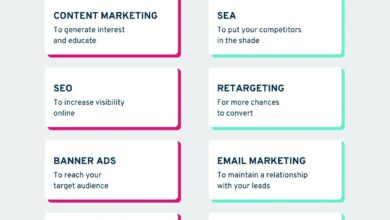
Want to grow your business with high-quality clients? Mastering b2b lead generation is the ultimate game-changer. It’s not just about leads—it’s about the right leads. Let’s dive into the strategies that actually work.
B2B Lead Generation: The Foundation of Sustainable Growth

In today’s hyper-competitive market, b2b lead generation isn’t just a nice-to-have—it’s the lifeblood of any successful business-to-business operation. Unlike B2C, where impulse buying can drive sales, B2B transactions involve longer sales cycles, multiple stakeholders, and higher stakes. That’s why generating qualified leads is so critical.




Effective b2b lead generation focuses on attracting businesses that genuinely need your product or service. It’s not about volume; it’s about value. According to HubSpot, companies that prioritize lead generation see a 133% higher year-over-year growth in revenue compared to those that don’t.
The process begins with understanding your ideal customer profile (ICP). Who are they? What challenges do they face? What decision-making process do they follow? Answering these questions allows you to tailor your outreach and content to attract the right audience.
Why B2B Lead Generation Differs from B2C
B2B and B2C lead generation may share some tactics, but their core mechanics are fundamentally different. In B2C, emotional triggers and instant gratification often drive purchases. In B2B, decisions are rational, data-driven, and involve multiple layers of approval.
For example, a B2B buyer might spend weeks or even months evaluating software solutions, consulting with IT, finance, and operations teams before making a decision. This means your lead generation strategy must nurture leads over time, providing consistent value at every stage.
As Salesforce points out, B2B buyers are 1.5x more likely to engage with content that addresses specific pain points and offers measurable ROI.
The Role of Data in B2B Lead Generation
Data is the backbone of modern b2b lead generation. From identifying target accounts to personalizing outreach, data drives every decision. Tools like LinkedIn Sales Navigator, ZoomInfo, and Clearbit allow marketers to gather firmographic, technographic, and behavioral data to build highly targeted campaigns.
But data isn’t just about collection—it’s about activation. Segmenting your audience based on industry, company size, or technology stack enables hyper-personalized messaging. For instance, a SaaS company selling CRM software might create different campaigns for startups versus enterprises, knowing their pain points and budget constraints differ significantly.
According to Gartner, organizations that leverage data-driven personalization in their b2b lead generation efforts see up to 20% higher conversion rates.
“Data without strategy is noise. Strategy without data is guesswork.” – Anonymous B2B Marketing Executive
Top 7 B2B Lead Generation Strategies That Deliver Results
Not all b2b lead generation strategies are created equal. Some deliver short-term spikes, while others build long-term pipelines. The following seven strategies have been proven across industries and company sizes to generate consistent, high-quality leads.
These aren’t quick hacks—they’re sustainable systems that, when executed well, compound over time. Let’s break them down one by one.
1. Content Marketing with Intent
Content is still king in b2b lead generation. But not just any content—content that aligns with buyer intent. This means creating resources that answer real questions at each stage of the buyer’s journey: awareness, consideration, and decision.
For example, a blog post titled “How to Reduce Cloud Infrastructure Costs by 30%” speaks directly to a pain point. Offer a downloadable guide in exchange for contact information, and you’ve captured a lead.
Effective content marketing includes:
- SEO-optimized blog posts targeting long-tail keywords
- Gated whitepapers, case studies, and e-books
- Webinars and video tutorials
- Interactive tools like ROI calculators
According to Content Marketing Institute, 73% of B2B marketers say content marketing generates more leads than traditional advertising.
2. Account-Based Marketing (ABM)
Account-Based Marketing flips the traditional lead generation model on its head. Instead of casting a wide net, ABM focuses on a select group of high-value accounts and treats each as a market of one.
This strategy is especially powerful for enterprise SaaS, consulting firms, and high-ticket service providers. By aligning sales and marketing teams around specific accounts, you can deliver personalized campaigns that resonate deeply.
Key components of ABM include:
- Identifying target accounts using firmographic and intent data
- Creating customized content and landing pages
- Running targeted ad campaigns on LinkedIn and Google
- Engaging decision-makers with direct mail or personalized video messages
As ABM Institute reports, 87% of marketers who measure ROI say ABM outperforms other marketing investments.
3. LinkedIn Outreach & Social Selling
LinkedIn is the undisputed champion of b2b lead generation platforms. With over 900 million users, including 63 million decision-makers, it’s the go-to place for connecting with professionals.
Social selling—using social media to build relationships and influence buying decisions—is now a core skill for sales reps. A study by LinkedIn found that 80% of B2B leads come from LinkedIn, making it the most effective social network for b2b lead generation.
To succeed, focus on:
- Optimizing your profile with clear value propositions
- Engaging with content from target accounts
- Sending personalized connection requests with value-driven messages
- Sharing thought leadership content regularly
Tools like Expandi or Dux-Soup can automate outreach while maintaining a human touch, increasing your reach without sacrificing authenticity.
Optimizing Your Website for B2B Lead Generation
Your website is your digital storefront—and in b2b lead generation, it’s often the first point of contact. If it’s not optimized to convert visitors into leads, you’re leaving money on the table.
Every element, from copy to design, should guide the visitor toward a desired action: downloading a resource, booking a demo, or contacting sales.
High-Converting Landing Pages
Landing pages are the workhorses of b2b lead generation. Unlike general website pages, they have one goal: conversion.
A high-converting landing page includes:
- A clear, benefit-driven headline
- Concise copy that speaks to pain points
- Strong visuals (screenshots, videos, infographics)
- A simple, prominent form
- Trust signals (testimonials, logos, security badges)
According to Unbounce, the average conversion rate for B2B landing pages is 6.7%, but top performers achieve over 20% by focusing on clarity and relevance.
Lead Capture Forms That Don’t Scare Visitors
Forms are necessary, but too many fields can kill conversions. The key is balancing data collection with user experience.
Start with minimal fields (name, email, company) for top-of-funnel offers like e-books. For high-intent actions like demo requests, you can ask for more (phone, job title, budget).
Smart form tactics include:
- Using progressive profiling to gather info over time
- Adding privacy assurances (“We never spam”)
- Offering instant value upon submission (e.g., immediate download)
A/B testing different form lengths and placements can yield surprising results. One SaaS company increased conversions by 32% simply by reducing form fields from 7 to 3.
Leveraging Email Marketing for B2B Lead Nurturing
Email remains one of the most effective channels for b2b lead generation and nurturing. With an average ROI of $36 for every $1 spent, it’s a powerhouse when done right.
But cold email blasts won’t cut it. Modern b2b lead generation relies on segmented, behavior-driven email campaigns that deliver value at every touchpoint.
Building a Targeted Email List
Your email list is only as good as its quality. Buying lists is risky and often violates GDPR or CAN-SPAM laws. Instead, focus on organic list building through:
- Content upgrades (e.g., checklist with a blog post)
- Webinar registrations
- Free tool signups
- Lead magnets like templates or industry reports
Tools like Hunter.io or Snov.io can help you find verified business emails, but always ensure compliance with data protection regulations.
Automated Drip Campaigns That Convert
Drip campaigns nurture leads over time by delivering a sequence of emails based on user behavior or timeline.
For example:
- Day 1: Welcome email + resource download
- Day 3: Case study showing ROI
- Day 7: Invitation to a live demo
- Day 10: Limited-time offer or consultation
According to Campaign Monitor, drip emails generate 18x more revenue than broadcast emails and have a 119% higher click-through rate.
“People don’t buy products. They buy better versions of themselves.” – Seth Godin
The Power of Webinars in B2B Lead Generation
Webinars are one of the most effective tools for b2b lead generation because they combine education, engagement, and qualification in one format.
A well-executed webinar can attract hundreds of qualified leads, position your brand as an authority, and move prospects closer to a buying decision—all in under an hour.
How to Plan a High-Attendance Webinar
The success of a webinar starts long before the live event. Planning is everything.
Follow these steps:
- Choose a topic that solves a pressing industry problem
- Set a date and time that works for your target audience (use time zone tools)
- Create a compelling landing page with clear benefits
- Promote across email, social media, and partner channels
- Send reminder emails 24 and 1 hour before the event
According to ON24, the average B2B webinar attracts 150+ registrants, with a 40-50% attendance rate.
Converting Webinar Attendees into Sales Leads
The real value of a webinar isn’t just attendance—it’s what happens after.
To convert attendees into leads:
- Include a strong call-to-action (CTA) during the presentation
- Offer a post-webinar consultation or demo
- Send a follow-up email with the recording and additional resources
- Track engagement (who watched the full session?) to prioritize hot leads
Companies that follow up within one hour of a webinar see a 7x higher conversion rate, according to GoToWebinar.
Using Paid Advertising for Scalable B2B Lead Generation
While organic strategies build long-term equity, paid advertising offers speed and scalability in b2b lead generation.
When used strategically, platforms like Google Ads, LinkedIn Ads, and programmatic display can deliver a steady stream of qualified leads.
LinkedIn Ads: Precision Targeting for B2B
LinkedIn Ads allow you to target users by job title, company size, industry, and even skills. This level of precision makes it ideal for b2b lead generation.
Popular ad formats include:
- Sponsored Content: Appears in the LinkedIn feed
- Message Ads: Direct InMail to decision-makers
- Text Ads: Cost-effective for broad awareness
- Dynamic Ads: Personalized with user’s name and photo
A case study by LinkedIn showed a 2x higher conversion rate for Message Ads compared to Sponsored Content, thanks to their personal nature.
Google Search Ads with High-Intent Keywords
Google Ads are powerful when targeting users actively searching for solutions. Focus on high-intent keywords like “best CRM for small business” or “enterprise cybersecurity solutions.”
Best practices:
- Use negative keywords to filter irrelevant traffic
- Create dedicated landing pages for each ad group
- Include lead forms directly in the ad (Google Lead Form Extensions)
- Track conversions with Google Analytics and Tag Manager
According to WordStream, B2B companies see an average click-through rate (CTR) of 3.17% on Google Search Ads.
Measuring and Optimizing Your B2B Lead Generation Funnel
Generating leads is only half the battle. The other half is measuring performance and continuously improving your funnel.
Without proper tracking, you’re flying blind. You might be getting leads, but are they qualified? Are they converting to customers? How much does each lead cost?
Key Metrics to Track in B2B Lead Generation
To optimize your strategy, monitor these essential KPIs:
- Cost Per Lead (CPL): Total spend divided by number of leads
- Lead-to-Customer Conversion Rate: Percentage of leads that become paying customers
- Customer Acquisition Cost (CAC): Total marketing and sales cost per customer
- Return on Ad Spend (ROAS): Revenue generated per dollar spent on ads
- Lead Quality Score: Assessed by sales team based on fit and engagement
Tools like HubSpot, Salesforce, and Google Analytics provide dashboards to track these metrics in real time.
A/B Testing for Continuous Improvement
Small changes can have big impacts. A/B testing allows you to experiment with different versions of your content, forms, emails, and ads to see what performs best.
Examples of testable elements:
- Email subject lines (e.g., “Save 30%” vs. “How to Cut Costs”)
- CTA button color and text
- Landing page headlines and layouts
- Ad copy and audience targeting
One B2B software company increased form conversions by 42% simply by changing the CTA from “Submit” to “Get My Free Demo.”
“What gets measured gets managed.” – Peter Drucker
What is b2b lead generation?
B2B lead generation is the process of identifying and attracting businesses that are likely to purchase your product or service. It involves strategies like content marketing, email campaigns, social selling, and paid ads to capture contact information and nurture prospects through the sales funnel.
What are the most effective b2b lead generation channels?
The most effective channels include LinkedIn outreach, content marketing (blogs, e-books, webinars), email marketing, and paid advertising on LinkedIn and Google. Account-based marketing (ABM) is also highly effective for enterprise-level targeting.
How do you qualify b2b leads?
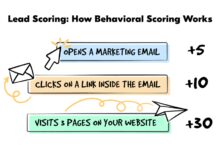
B2B leads are qualified based on firmographic data (company size, industry), behavioral signals (content downloads, website visits), and engagement level. Sales teams often use a lead scoring system to prioritize hot leads.
How long does b2b lead generation take to show results?
Results vary by strategy. Paid ads can generate leads within days, while content marketing and SEO may take 3-6 months to gain traction. Consistency and optimization are key to long-term success.
Can small businesses succeed at b2b lead generation?
Absolutely. Small businesses can leverage cost-effective tactics like LinkedIn outreach, email nurturing, and targeted content to compete with larger players. Focus on niche markets and personalized engagement for maximum impact.
B2B lead generation is not a one-off campaign—it’s a continuous process of attracting, engaging, and converting high-value business clients. By combining proven strategies like content marketing, ABM, LinkedIn outreach, and webinars with data-driven optimization, you can build a predictable pipeline that fuels growth. The key is consistency, measurement, and a relentless focus on delivering value. Start small, test often, and scale what works.
Further Reading: