Want to grow your business but stuck in a lead drought? You’re not alone. B2B lead generation is the lifeblood of sustainable growth, and mastering it can transform your sales pipeline. Let’s dive into the most effective strategies that actually work in 2024.
What Is B2B Lead Generation and Why It Matters

At its core, b2b lead generation is the process of identifying and attracting businesses that might be interested in your product or service. Unlike B2C, where decisions are often emotional and quick, B2B buying cycles are longer, involve multiple stakeholders, and require trust, value, and proof.



The Fundamentals of B2B vs. B2C Lead Generation
The differences between B2B and B2C lead generation go beyond audience size. In B2B, you’re not selling to individuals making impulse buys; you’re engaging decision-makers, procurement teams, and executives who need data, ROI projections, and long-term value.
- B2B sales cycles are longer and more complex.
- Multiple stakeholders are involved in purchasing decisions.
- Content must be highly informative, not just promotional.
“In B2B, trust is the currency. Without it, even the best product won’t close deals.” — HubSpot, B2B Lead Generation Guide
Key Metrics That Define Success in B2B Lead Generation
Measuring the right KPIs separates successful campaigns from wasted effort. While volume matters, quality is king in b2b lead generation.
- Conversion Rate: Percentage of visitors who become leads.
- Cost Per Lead (CPL): How much you spend to acquire one lead.
- Lead-to-Customer Rate: How many leads turn into paying customers.
- Customer Acquisition Cost (CAC): Total cost to acquire a customer, including marketing and sales.
- Lead Quality Score: A scoring model based on engagement, job title, company size, and intent.
B2B Lead Generation: The 7-Step Funnel Framework
Successful b2b lead generation doesn’t happen by accident. It follows a structured funnel that guides prospects from awareness to purchase. Understanding each stage helps you tailor content and tactics effectively.
Stage 1: Awareness – Attracting the Right Audience
This is where your prospect realizes they have a problem. Your goal? Be the first brand they discover when searching for solutions.
- Use SEO-optimized blog content targeting buyer pain points.
- Leverage social media platforms like LinkedIn for industry visibility.
- Create educational videos and infographics that explain complex challenges.
For example, a SaaS company offering CRM tools might publish a post titled “5 Signs Your Sales Team Needs a Better CRM”—a topic that speaks directly to pain points.
Stage 2: Interest – Engaging with Value-Driven Content
Once prospects know they have a problem, they start evaluating solutions. This is where your content must shift from general awareness to specific value.
- Offer downloadable resources like whitepapers, checklists, or templates.
- Host webinars featuring industry experts or case studies.
- Use email nurture sequences to deliver targeted content based on behavior.
A well-crafted lead magnet—such as a free ROI calculator or a competitive analysis template—can significantly boost conversion rates at this stage.
Stage 3: Decision – Nurturing Leads Toward a Purchase
Now, the prospect is comparing options. Your job is to position your solution as the best fit.
- Send personalized demo offers or free trials.
- Share customer testimonials and detailed case studies.
- Use retargeting ads to stay top-of-mind.
Tools like HubSpot Sales Hub help automate follow-ups and track engagement, ensuring no lead slips through the cracks.
Top 7 B2B Lead Generation Strategies That Work in 2024
The digital landscape evolves fast, but some b2b lead generation strategies consistently deliver results. Here are the seven most effective approaches used by top-performing companies.
1. Content Marketing with SEO at the Core
Content is still king, especially when optimized for search engines. High-quality, keyword-rich content attracts organic traffic and builds authority.
- Focus on long-tail keywords like “best CRM for small manufacturing teams.”
- Create pillar content and cluster topics for better SEO structure.
- Update old posts regularly to maintain relevance and rankings.
According to Backlinko’s SEO study, pages ranking in the top 10 on Google have an average of 1,447 words—proof that depth wins.
2. LinkedIn Lead Generation Campaigns
LinkedIn is the #1 platform for b2b lead generation. With over 900 million users, including 63 million decision-makers, it’s a goldmine for targeted outreach.
- Use LinkedIn Sales Navigator to identify and connect with ideal prospects.
- Run Sponsored Content and InMail campaigns with precise targeting.
- Engage in industry groups and publish thought leadership articles.
A case study by LinkedIn Marketing Solutions showed that one tech firm increased qualified leads by 250% using targeted Sponsored InMail.
3. Webinars and Virtual Events
Webinars remain one of the most effective ways to generate high-intent b2b leads. They allow you to showcase expertise while capturing contact information.
- Choose topics that solve urgent industry problems.
- Partner with influencers or complementary brands for wider reach.
- Follow up with attendees using automated email sequences.
On average, webinars generate 3.5x more leads than standard content downloads, according to Content Marketing Institute.
4. Account-Based Marketing (ABM)
ABM flips traditional b2b lead generation on its head. Instead of casting a wide net, you target specific high-value accounts with personalized campaigns.
- Identify target accounts based on firmographics and intent data.
- Create custom landing pages and content for each account.
- Use direct mail, email, and ads in a coordinated multi-channel approach.
“ABM delivers 208% higher ROI than other marketing initiatives.” — ITSMA
5. Cold Email Outreach with Hyper-Personalization
Despite being called “cold,” personalized email outreach can be incredibly warm when done right. The key is relevance, not volume.
- Research the prospect’s role, recent news, and pain points.
- Use tools like LeadsMarketer to automate sequences without losing personalization.
- Keep emails short, value-driven, and include a clear CTA.
A study by Salesforce found that personalized emails improve click-through rates by up to 14% and conversion rates by 10%.
6. Search Engine Advertising (PPC) for High-Intent Leads
While SEO takes time, PPC delivers immediate visibility for high-intent keywords. Google Ads and Microsoft Advertising are essential for capturing demand.
- Target commercial intent keywords like “best project management software for enterprises.”
- Use negative keywords to filter out irrelevant traffic.
- Optimize landing pages for conversion with clear forms and value propositions.
Companies using PPC for b2b lead generation see an average conversion rate of 2.5%, significantly higher than organic social media (0.5%).
7. Strategic Partnerships and Co-Marketing
Partnering with non-competing brands in your ecosystem can unlock new audiences and boost credibility.
- Co-host webinars or joint whitepapers.
- Bundle services or offer cross-promotions.
- Leverage each other’s email lists and social channels.
For example, a cybersecurity firm might partner with a cloud hosting provider to offer a joint security audit—generating leads for both parties.
Essential Tools for Modern B2B Lead Generation
No strategy works without the right tools. The best b2b lead generation campaigns rely on technology to scale, track, and optimize performance.
CRM Platforms: The Backbone of Lead Management
A Customer Relationship Management (CRM) system is non-negotiable for organizing leads, tracking interactions, and automating follow-ups.
- HubSpot CRM: Ideal for startups and mid-sized businesses with strong automation features.
- Salesforce: Enterprise-grade CRM with deep customization and integration options.
- Zoho CRM: Cost-effective with solid AI-powered insights.
Integrating your CRM with marketing tools ensures seamless data flow and better lead scoring.
Lead Intelligence and Enrichment Tools
Knowing who your leads are is just the beginning. Lead enrichment tools add valuable context like job title, company size, and technographics.
- Clearbit: Provides real-time data enrichment and segmentation.
- ZoomInfo: One of the largest B2B databases with intent signals.
- Lusha: Affordable option for contact discovery and verification.
These tools help sales teams personalize outreach and prioritize high-potential accounts.
Marketing Automation Platforms
Automation reduces manual work and ensures consistent nurturing. From email sequences to lead scoring, these platforms are essential.
- Marketo: Powerful for enterprise-level campaigns.
- Pardot (by Salesforce): Deep integration with Salesforce CRM.
- ActiveCampaign: Great for mid-market with strong automation workflows.
Automated drip campaigns can increase lead conversion by up to 50%, according to MarketingProfs.
Content That Converts: Creating High-Impact Lead Magnets
Not all content generates leads. The most effective b2b lead generation assets are those that offer immediate, tangible value.
Types of High-Converting Lead Magnets
The best lead magnets solve a specific problem or save time. Here are the top performers:
- Free Tools: ROI calculators, configurators, or audit tools.
- Templates: Proposal templates, RFP response guides, or project plans.
- Industry Reports: Original research or benchmark data.
- Checklists: Step-by-step guides for complex processes.
For instance, a marketing agency might offer a “90-Day SEO Launch Checklist” in exchange for an email—simple, valuable, and highly relevant.
Optimizing Landing Pages for Maximum Conversions
A great lead magnet is useless if the landing page doesn’t convert. Follow these best practices:
- Keep the headline benefit-driven (e.g., “Get Your Free CRM Comparison Guide”).
- Use bullet points to highlight key takeaways.
- Minimize form fields—only ask for essential info.
- Add trust signals like testimonials or security badges.
A/B testing can improve conversion rates by 20-30%. Tools like Optimizely or Google Optimize make this easy.
Measuring and Optimizing Your B2B Lead Generation Performance
Generating leads is only half the battle. To scale, you must measure, analyze, and continuously improve.
Key Performance Indicators (KPIs) to Track
Focus on metrics that reflect both quantity and quality:
- Lead Volume: Total number of leads generated per channel.
- Cost Per Lead (CPL): How much each lead costs across campaigns.
- Lead-to-Opportunity Rate: Percentage of leads that enter the sales pipeline.
- Opportunity-to-Customer Rate: Conversion from opportunity to closed deal.
- Customer Lifetime Value (CLV): Long-term value of acquired customers.
Tracking these KPIs helps identify which channels deliver the best ROI.
Using Analytics to Refine Your Strategy
Data is your most powerful ally. Use analytics platforms to uncover insights:
- Google Analytics: Track traffic sources, behavior flow, and conversion paths.
- UTM Parameters: Tag URLs to measure campaign performance across channels.
- Marketing Dashboards: Use tools like Databox or Klipfolio to visualize KPIs in real time.
Regular reporting (weekly or monthly) keeps your team aligned and agile.
Common B2B Lead Generation Mistakes to Avoid
Even experienced marketers fall into traps that kill lead quality and waste budget. Here are the most common pitfalls.
Mistake 1: Targeting Too Broadly
Trying to appeal to everyone means resonating with no one. A lack of buyer persona definition leads to irrelevant messaging and low conversion rates.
- Solution: Develop detailed buyer personas based on real customer data.
- Use firmographics (industry, company size, revenue) and psychographics (goals, challenges, values).
Mistake 2: Ignoring Lead Scoring
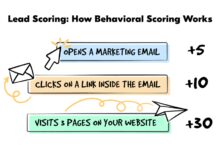
Not all leads are created equal. Without a scoring system, your sales team wastes time on unqualified prospects.
- Assign points for demographic fit (e.g., job title, company size).
- Add behavioral points for engagement (e.g., webinar attendance, page views).
- Set thresholds for when a lead is sales-ready.
Mistake 3: Poor Sales and Marketing Alignment
When marketing and sales teams work in silos, leads fall through the cracks. Misalignment causes frustration and lost revenue.
- Hold regular sync meetings to review lead quality and feedback.
- Define a shared Service Level Agreement (SLA) for lead handoff.
- Use shared dashboards for transparency.
“Companies with strong sales and marketing alignment achieve 36% higher customer retention and 38% higher sales win rates.” — MarketingProfs
Future Trends in B2B Lead Generation
The future of b2b lead generation is smarter, faster, and more personalized. Staying ahead means embracing innovation.
AI-Powered Lead Generation
Artificial Intelligence is transforming how we find, score, and engage leads.
- AI chatbots qualify leads 24/7 on your website.
- Predictive lead scoring uses machine learning to identify high-potential prospects.
- AI tools like Jasper help generate personalized outreach at scale.
Gartner predicts that by 2025, 80% of B2B marketing interactions will be managed by AI.
Intent Data and Predictive Analytics
Instead of guessing interest, intent data reveals when companies are actively researching solutions.
- Platforms like 6sense and Bombora track online behavior across millions of sites.
- Use this data to prioritize outreach and time your campaigns perfectly.
Companies using intent data see a 2x increase in lead-to-opportunity conversion rates.
The Rise of Conversational Marketing
Prospects don’t want to fill out forms—they want instant answers. Conversational marketing meets them where they are.
- Use live chat and chatbots to engage visitors in real time.
- Offer instant demos or scheduling through chat interfaces.
- Personalize conversations based on visitor behavior.
Drift, a pioneer in conversational marketing, reports that chatbots can capture leads 10x faster than traditional forms.
What is the most effective b2b lead generation strategy?
There’s no one-size-fits-all answer, but a combination of content marketing, LinkedIn outreach, and account-based marketing tends to deliver the highest ROI for most B2B companies. The key is aligning your strategy with your audience’s buying behavior and sales cycle length.
How do you generate high-quality B2B leads?
Focus on targeting the right audience with personalized, value-driven content. Use lead scoring to prioritize prospects, and ensure tight alignment between marketing and sales teams. Tools like CRM, intent data platforms, and marketing automation are essential for scaling quality leads.
How much should I spend on b2b lead generation?
According to the CMO Survey, B2B companies typically allocate 7-10% of revenue to marketing. The exact amount depends on your growth stage, industry, and customer acquisition cost (CAC) targets.
Can small businesses compete in b2b lead generation?
Absolutely. Small businesses can outmaneuver larger competitors by being more agile, personal, and niche-focused. Leveraging LinkedIn, SEO, and strategic partnerships allows even small teams to generate high-quality leads without a massive budget.
How long does it take to see results from b2b lead generation?
Most strategies take 3-6 months to show significant results, especially SEO and content marketing. Paid ads and email outreach can yield faster results (within weeks), but sustainable growth requires consistency and optimization over time.
B2B lead generation isn’t about quick wins—it’s about building a predictable, scalable engine for growth. From mastering the funnel to leveraging AI and intent data, the strategies outlined here provide a comprehensive roadmap for success. The key is consistency, measurement, and alignment across teams. Start with one or two high-impact tactics, track your results, and scale what works. The future of b2b lead generation is intelligent, personalized, and data-driven—embrace it, and watch your pipeline thrive.
Further Reading: