Imagine turning your B2B marketing into a precision-guided engine that nurtures leads, converts prospects, and scales revenue—without constant manual effort. That’s the power of b2b marketing automation. It’s not just a tool; it’s a transformation.
What Is B2B Marketing Automation and Why It Matters

B2B marketing automation refers to the use of software and technology to streamline, automate, and measure marketing tasks and workflows in business-to-business environments. Unlike B2C, where decisions are often emotional and quick, B2B buying cycles are longer, involve multiple stakeholders, and require consistent nurturing. Automation helps bridge this complexity.



Defining B2B Marketing Automation
At its core, b2b marketing automation is about efficiency. It replaces repetitive manual tasks—like sending follow-up emails, scoring leads, or updating CRM records—with intelligent systems that act based on predefined rules and real-time data.
- Automated email drip campaigns
- Lead scoring and segmentation
- CRM integration and data syncing
- Behavioral tracking and analytics
These tools allow marketing teams to focus on strategy rather than execution. According to Marketing Dive, companies using marketing automation see a 451% increase in qualified leads.
How It Differs from B2C Automation
While B2C automation often targets mass audiences with quick conversion funnels, b2b marketing automation deals with longer sales cycles, complex decision-making units, and higher customer lifetime value.
- B2B: Multiple touchpoints, content-heavy nurturing, account-based focus
- B2C: Speed, emotional triggers, single-user decisions
“B2B buyers are 57% through the decision-making process before they even engage with sales.” – SiriusDecisions
This means automation must deliver value early and consistently, often through educational content, personalized messaging, and multi-channel engagement.
The Core Benefits of B2B Marketing Automation
Implementing b2b marketing automation isn’t just about saving time—it’s about driving measurable business outcomes. From lead generation to customer retention, the benefits are transformative.
Increased Lead Generation and Conversion Rates
Automation tools help capture leads more effectively through targeted landing pages, lead magnets, and smart forms. Once captured, leads are nurtured through personalized email sequences based on behavior and engagement.
- Automated lead capture from webinars, whitepapers, and gated content
- Drip campaigns that deliver relevant content over time
- Dynamic content that changes based on user profile or behavior
For example, a SaaS company using HubSpot reported a 75% increase in lead conversion after implementing automated nurture campaigns.
Improved Sales and Marketing Alignment
One of the biggest challenges in B2B is the gap between marketing and sales. Automation bridges this by providing shared data, lead scoring models, and clear handoff processes.
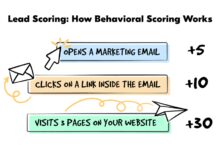
- Lead scoring based on engagement (e.g., email opens, page visits)
- Automated alerts when a lead reaches a threshold (e.g., MQL to SQL)
- CRM integration for real-time visibility
This alignment reduces friction, speeds up sales cycles, and improves forecast accuracy.
Key Components of a Successful B2B Marketing Automation Strategy
Effective b2b marketing automation isn’t just about buying software. It requires a strategic framework built on data, content, and process.
Lead Scoring and Segmentation
Not all leads are created equal. Lead scoring assigns values to prospects based on demographic and behavioral data, helping prioritize high-intent leads.
- Demographic scoring: job title, company size, industry
- Behavioral scoring: email engagement, content downloads, website visits
- Thresholds for MQL (Marketing Qualified Lead) and SQL (Sales Qualified Lead)
Segmentation ensures the right message reaches the right audience. For instance, a CTO might receive technical deep-dives, while a CFO gets ROI-focused case studies.
Email Automation and Drip Campaigns
Email remains one of the most effective channels in B2B. Automation allows for personalized, behavior-triggered email sequences that guide prospects through the funnel.
- Welcome series for new subscribers
- Nurture campaigns for mid-funnel leads
- Re-engagement campaigns for inactive contacts
Tools like Marketo and Pardot enable advanced workflows that adapt based on user actions.
Top B2B Marketing Automation Tools and Platforms
Choosing the right platform is critical. The best tools offer scalability, integration, and ease of use while supporting complex B2B workflows.
HubSpot: All-in-One Marketing Automation
HubSpot is a leader in inbound marketing automation, offering a seamless blend of CRM, email, content management, and analytics.
- User-friendly interface ideal for mid-market companies
- Powerful workflows and segmentation
- Extensive integration ecosystem
Its free tier makes it accessible for startups, while enterprise plans support large-scale b2b marketing automation needs.
Marketo Engage: Enterprise-Grade Power
Marketo, now part of Adobe, is built for large organizations with complex marketing requirements.
- Advanced lead management and ABM (Account-Based Marketing) support
- AI-driven content recommendations
- Robust analytics and attribution modeling
It’s particularly strong in multi-touch attribution and cross-channel campaign management.
Integrating CRM and Marketing Automation
The true power of b2b marketing automation is unlocked when it’s tightly integrated with your CRM system. This creates a closed-loop ecosystem where marketing efforts directly impact sales outcomes.
Synchronizing Data Across Platforms
Without integration, data silos emerge, leading to inconsistent messaging and missed opportunities. Automation platforms must sync lead data, engagement history, and campaign performance with CRM systems like Salesforce or Microsoft Dynamics.
- Real-time lead updates
- Automated task creation for sales reps
- Unified customer view across departments
For example, when a lead downloads a pricing guide, the CRM can automatically flag them as sales-ready and assign a follow-up task.
Lead Handoff and Sales Enablement
Automation ensures smooth transitions from marketing to sales. Defined lead scoring models trigger notifications, alerts, or even calendar invites for sales teams.
- Automated lead assignment based on territory or product interest
- Pre-built email templates and talking points for sales
- Engagement history dashboards for context
“Companies with strong sales and marketing alignment achieve 36% higher customer retention and 38% higher sales win rates.” – MarketingProfs
This level of coordination turns marketing-generated leads into closed deals faster.
Account-Based Marketing (ABM) and Automation
ABM is a strategic approach where marketing and sales teams target high-value accounts as markets of one. B2B marketing automation is essential for scaling ABM efforts without losing personalization.
Targeting and Personalization at Scale
Automation enables hyper-personalized campaigns for specific accounts using dynamic content, personalized emails, and targeted ads.
- Custom landing pages for specific companies
- Personalized video messages
- LinkedIn ad retargeting based on account lists
Tools like Terminus and Demandbase specialize in ABM automation, allowing teams to run orchestrated campaigns across channels.
Measuring ABM Success with Automation
Automation provides the analytics needed to track ABM performance, from engagement rates to pipeline influence.
- Account engagement scoring
- Multi-touch attribution
- Revenue impact reporting
By tracking which accounts are engaging and converting, marketers can refine strategies and prove ROI to stakeholders.
Measuring ROI and Performance in B2B Marketing Automation
Investing in b2b marketing automation requires accountability. Measuring ROI ensures that efforts translate into real business growth.
Key Metrics to Track
To evaluate success, focus on metrics that reflect both efficiency and revenue impact.
- Cost per lead (CPL)
- Lead-to-customer conversion rate
- Marketing-qualified lead (MQL) volume
- Sales cycle length
- Customer acquisition cost (CAC)
- Return on marketing investment (ROMI)
For instance, a 20% reduction in sales cycle length can significantly boost annual revenue without increasing headcount.
Attribution Models and Reporting
Understanding which campaigns drive conversions is critical. Automation platforms offer various attribution models:
- First-touch: credits the first interaction
- Last-touch: credits the final touchpoint
- Multi-touch: distributes credit across the journey
Multi-touch attribution is ideal for B2B, where buyers interact with multiple touchpoints before deciding. Platforms like Creamy AI offer advanced attribution insights for complex funnels.
Common Challenges and How to Overcome Them
Despite its benefits, b2b marketing automation comes with challenges. Addressing them early ensures long-term success.
Data Quality and Management
Poor data quality undermines automation. Inaccurate email addresses, outdated job titles, or missing firmographics lead to failed campaigns.
- Implement data validation rules at point of entry
- Use tools like Clearbit or ZoomInfo for enrichment
- Regularly audit and clean your database
High-quality data ensures messages reach the right people with the right content.
Over-Automation and Loss of Personalization
While automation saves time, over-reliance can make communications feel robotic. The key is balancing automation with human touch.
- Use dynamic content to personalize emails
- Incorporate video messages or handwritten notes in high-touch campaigns
- Allow opt-outs and preference centers
“Personalization is not just a tactic—it’s an expectation.” – Gartner
Even automated messages should feel relevant and human.
What is b2b marketing automation?
B2B marketing automation is the use of software to automate repetitive marketing tasks such as email campaigns, lead scoring, and customer segmentation in business-to-business contexts. It helps companies nurture leads, align sales and marketing, and improve conversion rates through data-driven workflows.
What are the best tools for b2b marketing automation?
Top tools include HubSpot, Marketo Engage, Pardot, and Act-On. Each offers robust features for email automation, lead management, CRM integration, and analytics, catering to different business sizes and complexity levels.
How does b2b marketing automation improve sales alignment?
It improves alignment by providing shared visibility into lead behavior, automating lead scoring, and enabling smooth handoffs from marketing to sales. This reduces friction, shortens sales cycles, and increases conversion rates.
Can small businesses benefit from b2b marketing automation?
Yes, even small businesses can benefit. Platforms like HubSpot and Mailchimp offer affordable or free tiers that provide essential automation features, helping small teams scale their outreach and nurture leads efficiently.
How do you measure the ROI of b2b marketing automation?
ROI is measured through metrics like cost per lead, lead-to-customer conversion rate, sales cycle length, and customer acquisition cost. Multi-touch attribution models help identify which campaigns contribute most to revenue.
B2B marketing automation is no longer a luxury—it’s a necessity for competitive growth. From streamlining lead nurturing to enabling account-based strategies, the right automation framework can transform how businesses engage, convert, and retain high-value clients. The key lies in choosing the right tools, integrating with CRM, maintaining data quality, and continuously measuring performance. When executed strategically, b2b marketing automation becomes a revenue engine, not just a marketing tool.
Further Reading: