Want to unlock explosive growth for your business? A smart b2b marketing strategy isn’t just helpful—it’s essential. In today’s hyper-competitive landscape, the right approach can turn prospects into loyal clients and ideas into revenue.
1. Understanding the Core of a B2B Marketing Strategy

At its heart, a b2b marketing strategy is a long-term plan designed to reach, engage, and convert other businesses into customers. Unlike B2C, which often relies on emotion and impulse, B2B decisions are rational, data-driven, and involve multiple stakeholders.




What Sets B2B Apart from B2C?
The fundamental difference lies in the buyer’s journey. In B2B, the sales cycle is longer, the stakes are higher, and the relationships are more consultative. A single purchase might involve procurement teams, technical evaluators, financial officers, and C-suite executives.
- B2B purchases are based on ROI, efficiency, and long-term value.
- Decision-making is often a group process, requiring consensus.
- Marketing must address pain points with logic, data, and proof.
“B2B marketing is not about selling a product; it’s about solving a business problem.” — Philip Kotler, Father of Modern Marketing
Key Components of a Winning B2B Marketing Strategy
A successful b2b marketing strategy integrates several critical elements: target audience definition, value proposition, content, channels, and performance measurement. Each component must align with the buyer’s journey and business goals.
- Clear buyer personas based on real data.
- A compelling value proposition that speaks directly to business outcomes.
- Multi-channel engagement (digital, events, sales enablement).
- Metrics that track lead quality, conversion rates, and customer lifetime value.
2. Building a Data-Driven B2B Marketing Strategy
Data is the backbone of any modern b2b marketing strategy. Without insights into customer behavior, market trends, and campaign performance, you’re essentially flying blind. The good news? We’re in the golden age of data availability.
Leveraging CRM and Marketing Automation
Tools like Salesforce and HubSpot allow marketers to track every interaction, segment audiences, and automate personalized messaging. This level of precision ensures that your b2b marketing strategy is not only scalable but also highly efficient.
- Automated email workflows nurture leads based on behavior.
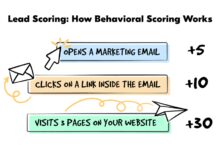
- Lead scoring identifies high-intent prospects for sales teams.
- Integration with sales platforms ensures alignment between marketing and revenue teams.
Using Analytics to Refine Your Approach
Google Analytics, LinkedIn Insights, and marketing dashboards provide real-time feedback on what’s working. By analyzing metrics like time on page, bounce rate, and conversion paths, you can continuously optimize your b2b marketing strategy.
- Identify high-performing content and double down on it.
- Spot drop-off points in the funnel and fix them.
- Use A/B testing to refine messaging and CTAs.
“In God we trust; all others must bring data.” — W. Edwards Deming
3. Mastering the B2B Buyer’s Journey
One of the most powerful aspects of a b2b marketing strategy is aligning your efforts with the buyer’s journey. This journey typically includes three stages: Awareness, Consideration, and Decision.
Awareness Stage: Educate, Don’t Sell
In the awareness stage, your prospect realizes they have a problem but may not know the solution. Your role is to provide educational content that positions your brand as a trusted advisor.
- Blog posts that answer common industry questions.
- Infographics explaining market trends.
- Webinars that explore challenges in depth.
For example, a software company targeting logistics firms might publish a guide titled “5 Hidden Costs in Last-Mile Delivery.” This content doesn’t push a product—it builds credibility.
Consideration Stage: Showcase Your Expertise
Now the buyer is evaluating options. Your b2b marketing strategy should highlight your unique value through case studies, comparison guides, and product demos.
- Customer success stories that prove ROI.
- Whitepapers with deep technical insights.
- Free trials or pilot programs to reduce risk.
A well-executed consideration phase reduces friction and builds confidence. According to Gartner, 74% of B2B buyers conduct more than half of their research online before contacting a sales rep.
Decision Stage: Make the Final Push
At this point, the buyer is ready to choose. Your strategy must provide clear next steps, pricing transparency, and social proof.
- Personalized proposals tailored to the client’s needs.
- Testimonials from similar companies.
- Live demos or consultations with experts.
“People don’t buy products; they buy better versions of themselves.” — Seth Godin
4. Content Marketing as a Pillar of B2B Marketing Strategy
If your b2b marketing strategy lacks a strong content engine, you’re missing a massive opportunity. Content isn’t just about blogging—it’s about creating assets that guide prospects through the funnel.
Types of High-Impact B2B Content
Different content types serve different purposes. The key is matching the format to the buyer’s stage and preferences.
- E-books and Guides: In-depth resources that capture leads.
- Case Studies: Real-world proof of your solution’s impact.
- Video Explainers: Simplify complex offerings in under two minutes.
- Podcasts: Reach executives during commutes or downtime.
For instance, IBM’s thought leadership content consistently ranks high for enterprise tech topics, driving both traffic and trust.
Content Distribution Channels
Creating great content is only half the battle. You need a distribution plan that ensures it reaches the right audience.
- LinkedIn: The #1 platform for B2B professionals.
- Email Newsletters: Direct access to decision-makers.
- Industry Publications: Guest posts on sites like Forbes or TechCrunch.
- Paid Promotion: Targeted ads on Google and LinkedIn.
A study by the Content Marketing Institute found that 91% of B2B marketers use content marketing to reach customers—yet only 42% have a documented strategy. That’s a huge gap you can exploit.
5. Account-Based Marketing: A Precision B2B Marketing Strategy
Account-Based Marketing (ABM) flips the traditional funnel. Instead of casting a wide net, ABM focuses on a select group of high-value accounts and treats each as a market of one.
Why ABM Works for B2B
ABM aligns marketing and sales around shared goals. It’s especially effective for enterprise sales where deals are large, complex, and require long nurturing periods.
- Higher ROI: ABM campaigns generate 200% more revenue per dollar spent.
- Better alignment: Sales and marketing work from the same playbook.
- Stronger relationships: Personalized outreach builds trust faster.
Companies like Salesloft have built entire platforms around ABM, enabling teams to orchestrate multi-touch campaigns across email, social, and direct mail.
Steps to Launch an ABM Campaign
Implementing ABM requires careful planning and coordination.
- Identify Target Accounts: Use firmographic and behavioral data to select ideal customers.
- Research Key Stakeholders: Map decision-makers, influencers, and blockers.
- Create Personalized Content: Tailor messaging to each account’s pain points.
- Engage Across Channels: Combine email, LinkedIn, events, and direct outreach.
- Measure & Optimize: Track engagement, pipeline velocity, and win rates.
“ABM is not a tactic; it’s a go-to-market strategy.” — Jon Miller, Co-Founder of Marketo
6. Leveraging Digital Channels in Your B2B Marketing Strategy
The digital landscape offers unparalleled opportunities to reach B2B buyers. From SEO to social media, each channel plays a unique role in a comprehensive b2b marketing strategy.
SEO: The Long Game That Pays Off
Search Engine Optimization ensures your content appears when prospects are actively looking for solutions. Unlike paid ads, SEO builds organic visibility that compounds over time.
- Target long-tail keywords like “best CRM for mid-sized manufacturing companies.”
- Optimize on-page elements: titles, headers, meta descriptions.
- Build backlinks from authoritative industry sites.
Ahrefs and SEMrush are powerful tools for keyword research and tracking rankings. According to Backlinko, the first result on Google gets 27.6% of all clicks—proof that ranking matters.
LinkedIn: The B2B Social Powerhouse
No other social platform comes close to LinkedIn for B2B engagement. With over 900 million users, it’s where professionals research vendors, follow industry news, and connect with peers.
- Post thought leadership articles and company updates.
- Engage in niche groups related to your industry.
- Use LinkedIn Ads to target by job title, company size, and industry.
For example, a cybersecurity firm can run Sponsored Content targeting CISOs in financial services, delivering a whitepaper on regulatory compliance.
Email Marketing: Still the King of Conversion
Email remains one of the highest ROI channels in B2B. When done right, it nurtures leads, drives event registrations, and supports sales outreach.
- Segment your list by industry, role, or behavior.
- Use automation to send drip campaigns based on actions.
- Personalize subject lines and content to increase open rates.
According to Campaign Monitor, personalized emails improve click-through rates by 14% and conversions by 10%.
7. Measuring Success: KPIs for Your B2B Marketing Strategy
You can’t improve what you don’t measure. A robust b2b marketing strategy includes clear KPIs that reflect both activity and outcomes.
Top Marketing KPIs to Track
Not all metrics are created equal. Focus on those that directly impact revenue and growth.
- Lead Conversion Rate: Percentage of leads that become customers.
- Customer Acquisition Cost (CAC): Total cost to acquire a new customer.
- Customer Lifetime Value (CLV): Total revenue expected from a customer over time.
- Marketing Qualified Leads (MQLs): Leads deemed ready for sales.
- Return on Ad Spend (ROAS): Revenue generated per dollar spent on ads.
Tools like Google Analytics, HubSpot, and Tableau help visualize these metrics and identify trends.
Aligning Marketing and Sales Metrics
One of the biggest challenges in B2B is the gap between marketing and sales. Bridging it requires shared goals and transparent reporting.
- Define what constitutes a Sales Qualified Lead (SQL).
- Use shared dashboards to track pipeline progress.
- Hold regular sync meetings to review performance.
“Marketing’s job is not to generate leads. It’s to generate *good* leads.” — David Meerman Scott
What is the most important element of a b2b marketing strategy?
The most important element is a deep understanding of your target audience. Without clear buyer personas and insight into their pain points, even the most creative campaigns will fall flat. Everything—from messaging to channel selection—must be rooted in customer empathy.
How long does it take to see results from a b2b marketing strategy?
Results vary, but most B2B strategies take 6–12 months to show significant impact. SEO and content marketing are long-term plays, while paid ads and ABM can deliver quicker wins. Consistency and optimization are key.
Can small businesses use advanced b2b marketing strategy techniques?
Absolutely. While enterprise companies may have bigger budgets, small businesses can leverage tools like HubSpot, LinkedIn, and Google Ads to run sophisticated campaigns. Focus on niche markets and personalized outreach to compete effectively.
Is social media effective for b2b marketing strategy?
Yes, especially LinkedIn. Social media builds brand authority, supports thought leadership, and enables direct engagement with decision-makers. It’s also a powerful channel for driving traffic to content and events.
How do I align my sales and marketing teams?
Start with shared goals, a common definition of a qualified lead, and regular communication. Use CRM systems to track handoffs and feedback. Consider implementing Service Level Agreements (SLAs) between teams to formalize expectations.
A powerful b2b marketing strategy is not about one big idea—it’s about the consistent execution of many smart, interconnected tactics. From understanding your buyer’s journey to leveraging data, content, and digital channels, every element must work in harmony. The most successful companies don’t just market to businesses; they build relationships, solve problems, and deliver measurable value. By adopting a strategic, customer-centric approach, you can turn your b2b marketing strategy into a predictable engine for growth.
Further Reading: