Ever wondered how big retailers keep prices low while making massive profits? The answer lies in wholesale. This behind-the-scenes powerhouse fuels global commerce, offering unbeatable deals when you know how to play the game.
Understanding the Basics of Wholesale

Wholesale is the backbone of modern retail and distribution. It refers to the sale of goods in large quantities at discounted prices, typically from manufacturers or distributors to businesses rather than individual consumers. This model enables retailers to purchase inventory at lower costs, which they can then resell for a profit.





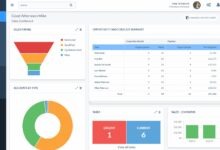
What Exactly Is Wholesale?
At its core, wholesale involves bulk transactions between suppliers and buyers. Unlike retail, where products are sold individually or in small quantities, wholesale deals with volume. This volume-based pricing allows suppliers to move large amounts of stock efficiently while offering buyers significant cost savings.
- Transactions usually require minimum order quantities (MOQs).
- Prices per unit drop as order size increases.
- Buyers are typically registered businesses, not end consumers.
According to the U.S. Census Bureau’s Wholesale Trade Division, the wholesale sector contributes billions annually to the national economy, underlining its critical role in supply chains.
How Wholesale Differs from Retail
While both wholesale and retail involve the sale of goods, their models differ fundamentally. Retailers sell directly to consumers at marked-up prices, whereas wholesalers act as intermediaries, supplying goods to retailers, e-commerce platforms, or other businesses.
- Retail focuses on customer experience and branding; wholesale emphasizes logistics and volume.
- Retail pricing includes overheads like store rent and staff; wholesale pricing strips these away.
- Wholesale customers expect bulk packaging and palletized shipments, not gift wrapping.
“Wholesale isn’t just about selling more—it’s about selling smarter.” — Supply Chain Expert, Lisa Tran
Types of Wholesale Models
Not all wholesale operations are created equal. Different models cater to various business needs, from traditional brick-and-mortar distributors to digital marketplaces. Understanding these models helps businesses choose the right partner.
Merchant Wholesalers
These are the most common type of wholesalers. They buy products directly from manufacturers, take ownership, and resell them to retailers or other businesses. Merchant wholesalers can be further divided into full-service and limited-service providers.
- Full-service wholesalers offer delivery, credit terms, and marketing support.
- Limited-service wholesalers focus on low prices and fast turnover, often operating on a cash-and-carry basis.
- Examples include Sysco for foodservice or Grainger for industrial supplies.
For more insights, visit National Association of Wholesaler-Distributors, which outlines best practices and industry standards.
Dropshipping and Virtual Wholesale
In the digital age, virtual wholesale has gained traction. Dropshipping is a form of wholesale where the retailer doesn’t hold inventory. Instead, when a sale is made, the order is forwarded to the wholesaler, who ships directly to the customer.
- Reduces upfront investment and storage costs.
- Allows entrepreneurs to test products without risk.
- Popular platforms include Oberlo (integrated with Shopify) and Spocket.
This model has revolutionized e-commerce, enabling startups to compete with established brands by leveraging global wholesale networks.
Manufacturers as Wholesalers
Some manufacturers bypass third-party distributors and sell directly to retailers or even large end-users. This direct-to-business (D2B) approach cuts out the middleman, often resulting in better margins for both parties.
- Common in industries like automotive parts, textiles, and electronics.
- Requires robust logistics and customer service infrastructure.
- Brands like Dell and Tesla use hybrid models combining direct sales with wholesale partnerships.
Direct manufacturer wholesale also enhances quality control and brand consistency.
Benefits of Buying Wholesale
For businesses looking to scale, buying wholesale offers a competitive edge. The advantages go beyond just lower prices—they impact profitability, scalability, and market reach.
Cost Efficiency and Higher Margins
The primary draw of wholesale is cost reduction. By purchasing in bulk, businesses secure lower per-unit costs, which translates into higher profit margins when reselling.
- A t-shirt bought for $5 wholesale can be sold for $20 retail, yielding a 300% markup.
- Even service-based businesses benefit—beauty salons buying wholesale hair products save thousands annually.
- Nonprofits and schools often use wholesale pricing to stretch limited budgets.
These savings compound over time, especially for high-turnover items.
Scalability and Inventory Control
Wholesale enables rapid scaling. With reliable suppliers, businesses can meet sudden demand spikes without scrambling for stock.
- E-commerce stores can launch new product lines quickly using wholesale catalogs.
- Seasonal businesses (e.g., holiday decor sellers) rely on wholesale to prepare months in advance.
- Bulk purchasing reduces the frequency of reordering, saving time and administrative costs.
Effective inventory management systems paired with wholesale sourcing minimize stockouts and overstocking.
Access to Exclusive Products and Brands
Many premium or niche brands are only available through authorized wholesale channels. Gaining access can differentiate a business from competitors.
- Luxury skincare lines often restrict sales to licensed spas and boutiques.
- Wholesale clubs like Costco offer exclusive member-only products.
- Private-label wholesale allows retailers to rebrand goods under their own name.
This exclusivity builds brand loyalty and justifies premium pricing.
How to Start a Wholesale Business
Launching a wholesale venture requires strategic planning, legal compliance, and strong supplier relationships. Whether you’re selling to retailers or other businesses, the foundation matters.
Legal Requirements and Business Registration
Before selling wholesale, ensure your business is legally compliant. Most jurisdictions require specific licenses and tax registrations.
- Obtain a business license and Employer Identification Number (EIN).
- Register for a resale certificate to avoid paying sales tax on inventory you intend to resell.
- Check local regulations—some products (e.g., alcohol, pharmaceuticals) have strict wholesale licensing rules.
The U.S. Small Business Administration provides a step-by-step guide to starting a wholesale business legally.
Finding Reliable Suppliers
Your success hinges on supplier reliability. Poor quality or delayed shipments can damage your reputation and bottom line.
- Attend trade shows like ASD Market Week or MAGIC to meet suppliers in person.
- Use B2B platforms such as Alibaba, ThomasNet, or Faire to vet global and domestic suppliers.
- Request samples before committing to large orders.
Always check references and read reviews on platforms like BBB.org to avoid scams.
Building a Distribution Network
A strong distribution strategy ensures timely delivery and customer satisfaction. Decide whether you’ll handle logistics in-house or outsource to third-party logistics (3PL) providers.
- In-house distribution offers more control but higher overhead.
- 3PLs like ShipBob or FedEx Supply Chain manage warehousing, packing, and shipping.
- Consider regional hubs to reduce delivery times and shipping costs.
Efficient distribution also includes return management and customer support systems.
Wholesale vs. Retail: Key Differences and Strategies
Understanding the contrast between wholesale and retail is crucial for strategic decision-making. Each model serves different markets and requires distinct operational approaches.
Pricing Structures and Markup Logic
Wholesale pricing is based on volume discounts, while retail pricing includes markups to cover operating expenses and profit.
- Wholesale prices are typically 40–60% lower than retail.
- Retailers usually apply a 50–100% markup on wholesale prices.
- Some businesses use keystone pricing (doubling the wholesale cost) as a standard practice.
Dynamic pricing tools help wholesalers adjust rates based on demand, competition, and inventory levels.
Customer Relationships and Sales Approach
Wholesale clients expect professionalism, reliability, and long-term value. Relationships are often contract-based and focus on volume commitments.
- Wholesalers prioritize account management and bulk negotiation.
- Retailers focus on customer service, branding, and in-store experience.
- Wholesale sales cycles are longer but involve larger deals.
CRM systems like HubSpot or Salesforce help manage B2B relationships effectively.
Marketing Strategies for Each Model
Marketing in wholesale is relationship-driven and industry-specific, while retail marketing targets end consumers through emotional appeal and branding.
- Wholesale marketing includes trade shows, B2B directories, and LinkedIn outreach.
- Retail uses social media ads, influencer campaigns, and email marketing.
- Content marketing for wholesalers often involves whitepapers, case studies, and product spec sheets.
Both models benefit from SEO, but keywords differ—“bulk office supplies” vs. “best ergonomic chair.”
Top Wholesale Marketplaces and Platforms
The digital era has transformed wholesale with online marketplaces that connect buyers and sellers globally. These platforms offer convenience, variety, and competitive pricing.
Global B2B Platforms
International platforms enable businesses to source products from manufacturers worldwide, often at lower costs.
- Alibaba: The largest global wholesale marketplace, ideal for sourcing from China and Asia.
- Global Sources: Focuses on electronics, gifts, and home products with verified suppliers.
- IndiaMART: Dominant in South Asia, connecting Indian suppliers with global buyers.
These platforms often include trade assurance programs to protect buyers against fraud.
Niche and Regional Wholesale Networks
Specialized platforms cater to specific industries or geographic regions, offering curated selections and local expertise.
- Faire: A favorite among boutique retailers for handmade, artisan, and lifestyle products.
- Tundra: Competes with Amazon Business by offering transparent pricing and no fees.
- Diamond Resorts Marketplace: Focuses on travel and leisure packages for wholesale distribution.
Regional networks often provide faster shipping and better customer support in local languages.
E-commerce Integration Tools
Modern wholesale platforms integrate seamlessly with e-commerce stores, automating order processing and inventory syncing.
- Shopify’s wholesale channels allow B2B sales directly from retail stores.
- BigCommerce offers built-in wholesale pricing tiers and login portals.
- TradeGecko (now QuickBooks Commerce) syncs inventory across multiple sales channels.
These tools reduce manual work and errors, making wholesale operations more efficient.
Challenges in the Wholesale Industry
Despite its advantages, wholesale comes with risks and complexities. From supply chain disruptions to pricing pressures, businesses must navigate several challenges.
Supply Chain Disruptions
Global events like pandemics, wars, or natural disasters can halt production and delay shipments.
- The 2021 Suez Canal blockage disrupted $10 billion in daily trade, affecting wholesale deliveries.
- Reliance on single-source suppliers increases vulnerability.
- Diversifying suppliers across regions mitigates risk.
Investing in supply chain visibility tools helps anticipate and respond to disruptions.
Inventory Management Issues
Holding large volumes of stock ties up capital and increases storage costs.
- Overstocking leads to obsolescence, especially with seasonal or fast-changing products.
- Understocking results in lost sales and damaged client trust.
- Just-in-time (JIT) inventory models reduce waste but require precise forecasting.
Advanced software like NetSuite or Zoho Inventory provides real-time tracking and demand prediction.
Competition and Price Wars
The wholesale space is highly competitive, with thin margins and aggressive pricing.
- Large distributors like Amazon Business undercut smaller players.
- Price transparency online makes differentiation harder.
- Value-added services (e.g., customization, fast shipping) help stand out.
Building strong relationships and offering superior service can outweigh price alone.
Future Trends in Wholesale
The wholesale industry is evolving rapidly due to technology, consumer behavior, and global trade dynamics. Staying ahead requires awareness of emerging trends.
Digital Transformation and AI
Artificial intelligence and automation are reshaping wholesale operations.
- AI-powered demand forecasting improves inventory accuracy.
- Chatbots handle routine customer inquiries 24/7.
- Predictive analytics identify at-risk accounts and upsell opportunities.
Companies like IBM and SAP offer AI-driven wholesale management solutions.
Sustainability and Ethical Sourcing
Buyers increasingly demand environmentally and socially responsible practices.
- Wholesalers are adopting eco-friendly packaging and carbon-neutral shipping.
- Transparency in sourcing—knowing where and how products are made—is now a selling point.
- Certifications like Fair Trade or B Corp enhance credibility.
A 2023 McKinsey report found that 67% of B2B buyers consider sustainability when choosing suppliers.
Direct-to-Business (D2B) Expansion
More manufacturers are bypassing traditional distributors to sell directly to businesses.
- This trend reduces costs and improves customer relationships.
- It requires investment in sales teams and logistics infrastructure.
- Hybrid models allow brands to maintain wholesale partnerships while growing D2B channels.
Brands like Warby Parker and Casper started online and now blend D2C with wholesale strategies.
What is the difference between wholesale and retail?
Wholesale involves selling goods in bulk to businesses at discounted rates, while retail sells individual items to consumers at higher prices. Wholesalers focus on volume and logistics; retailers emphasize branding and customer experience.
How do I start buying wholesale as a small business?
First, register your business and obtain a resale certificate. Then, research suppliers through trade shows or B2B platforms like Faire or Alibaba. Start with small orders to test quality and reliability before scaling up.
Can individuals buy from wholesale suppliers?
Some wholesalers allow individual purchases, especially online, but many require a business license or tax ID. Membership-based clubs like Costco offer wholesale access to individuals for a fee.
What are the risks of dropshipping through wholesale?
Risks include lower profit margins, reliance on third-party suppliers, shipping delays, and quality control issues. It’s crucial to vet suppliers thoroughly and maintain clear communication.
Is wholesale still profitable in the age of e-commerce?
Yes, wholesale remains highly profitable, especially when combined with e-commerce. Digital platforms have expanded market reach, reduced transaction costs, and enabled data-driven decision-making for smarter inventory and pricing strategies.
Wholesale is far more than just bulk selling—it’s a strategic engine driving global commerce. From cost savings and scalability to exclusive product access, its benefits are immense for businesses willing to master the model. While challenges like supply chain risks and competition exist, innovation in technology and sustainability is shaping a resilient future. Whether you’re a startup or an established retailer, leveraging wholesale wisely can unlock growth, efficiency, and long-term success.
Further Reading:


